Overview
xFusion is a global provider of computing infrastructure and computing services. As its strategy and organisational structure evolved, its existing warehouse and transportation management systems could no longer respond quickly enough to changing business requirements. xFusion selected Deep Insights after comparing leading domestic and international vendors, prioritising a mature, configurable platform that could handle complex fulfilment scenarios and be implemented quickly.
Challenges
Heavy, Tightly Coupled Legacy Systems
The original WMS and TMS were designed around earlier business requirements. Heavy functionality and strong dependencies between processes made it difficult to support the company's strategic and organisational changes flexibly.
Complex Order Fulfilment
The solution needed to cover raw-material procurement receipts, production-order material picking, finished-goods receiving and sales dispatch, domestic and international transportation, and business-specific requirements. Line-side warehouse issuing was identified as an expansion scenario.
Fast Delivery Without Sacrificing Flexibility
xFusion required mature products with high configurability, ease of use and rapid implementation, alongside decoupled functionality, agile development and fast iteration.
"The project brought WMS for raw-material and finished-goods warehouses, together with TMS, live in just two months."
Project summary
Based on the May 19, 2022 case article

Solution
One Deep Insights Supply Chain Execution Platform
Deep Insights was selected for its ability to accommodate complex fulfilment on one platform, decouple functions for agile iteration, and strengthen tailored optimisation algorithms to support forecasting and decisions.
- Unified warehouse and transportation execution
- Configurable workflows and decoupled functionality
- Personalised optimisation, forecasting and decision support
Warehouse Management Across Material Flows
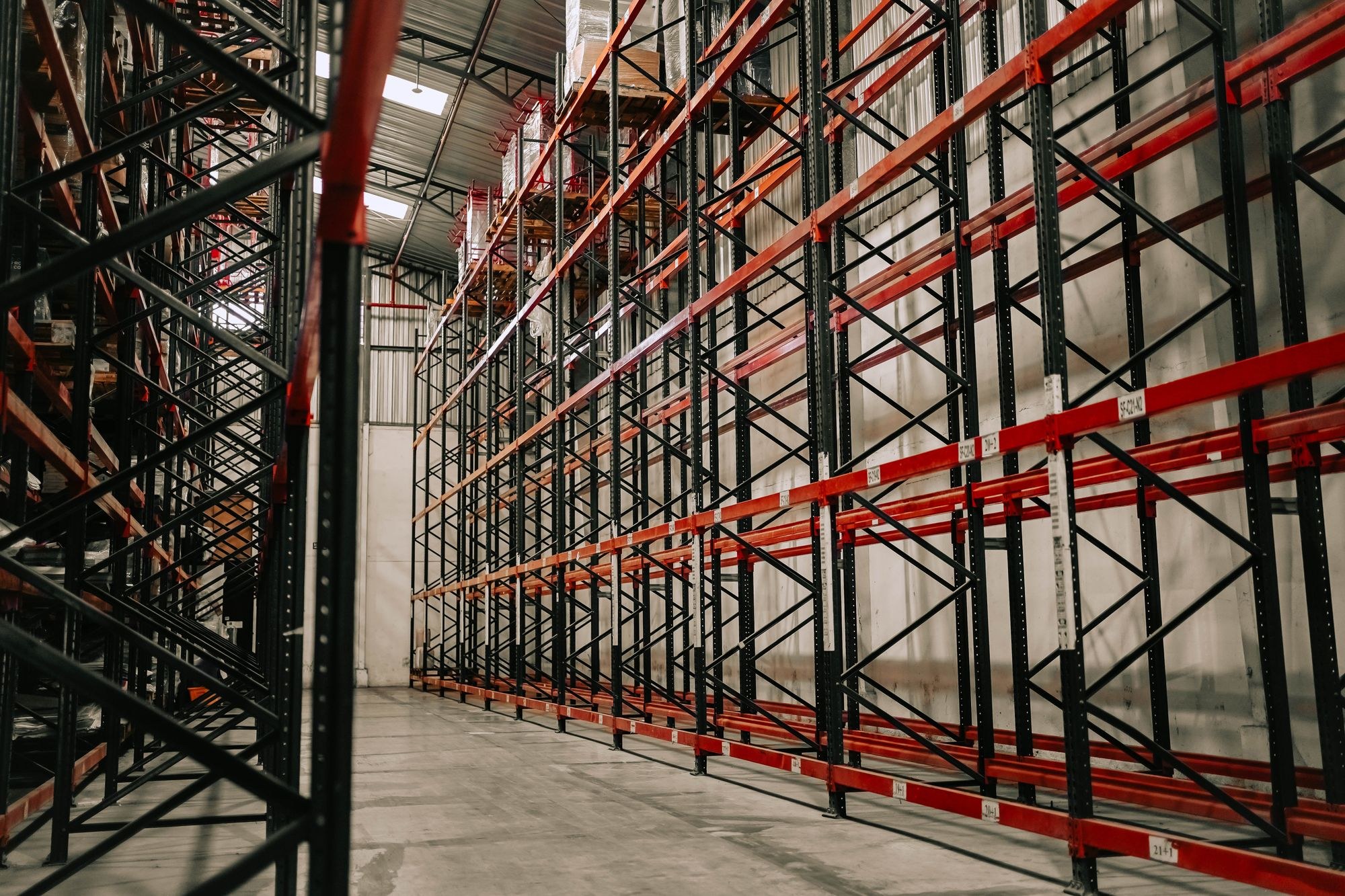
WMS supports management of raw and auxiliary materials, packaging, spare parts and finished goods, with support for integration with automated high-bay storage and other intelligent warehouse equipment. Regional, VMI and overseas warehouses are subsequent expansion requirements.
- Raw-material and finished-goods warehouses in the initial go-live
- Raw materials, packaging, auxiliary supplies and spare parts
- Support for automated storage equipment integration
- Planned expansion to regional, VMI and overseas warehouses
Transport Planning and Coordinated Fulfilment
TMS establishes logistics planning capabilities to balance resource preparation with delivery demand. AI optimisation is part of the solution requirements to improve fulfilment efficiency and enable visible, intelligent and collaborative transportation management.
- Domestic and international transport management requirements
- Resource and delivery-demand balancing
- AI-assisted optimisation
- Procurement, production and sales logistics coordination
Supply Chain Control Tower Target
The target architecture combines visibility, analysis, decisions and optimisation: alert dashboards; root-cause, risk and simulation analysis; management views and KPI tools; and forecasting, load and route optimisation. These are control tower objectives, not separately reported completed deployments.
- Information aggregation, monitoring and execution oversight
- Resource integration, cost control and customer service
- Alerts, risk analysis and management KPI views
- Forecasting, load optimisation and route optimisation targets
Results
WMS and TMS Live in Two Months
The source article reports that warehouse management for raw-material and finished-goods warehouses and transportation management went live in just two months, supported by mature products, high configurability and an experienced implementation team.
A Foundation for Integrated Logistics
The solution addresses warehousing and transportation requirements across procurement, production and sales, providing a foundation for integrated supply chain services and subsequent warehouse expansion.
Configurable Support for Business Change
Product configurability and decoupled functionality were key selection criteria, supporting a more adaptable approach than the tightly coupled legacy systems.
Key Takeaways
- Deep Insights selected after comparisons with domestic and international vendors
- Raw-material warehouse WMS, finished-goods warehouse WMS and TMS live in two months
- One platform addresses procurement, production and sales logistics requirements
- Regional, VMI and overseas warehouses are expansion requirements, not reported completed rollouts
- Control tower visibility, analytics and optimisation are target capabilities; no additional performance percentages were reported